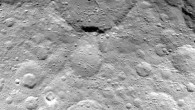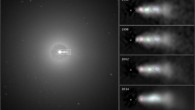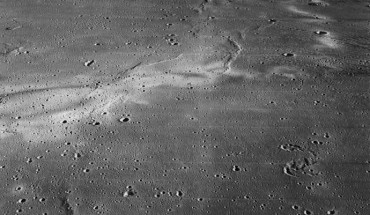
Comet impacts over the past 100 million years can account for many of the features in the mysterious lunar swirls – wispy bright regions scattered on the lunar surface, says a group of planetary researchers from the Lawrence Livermore National Laboratory and Brown University. The Reiner Gamma formation is a well known lunar swirl region, due to its nearside location. Swirls are described by curving, diffuse bright patterns, which are interspersed...